Transitions
The history stays behind
When a patient steps down from inpatient to PHP or outpatient care, the diagnostic history, forensic evaluations and prior treatment decisions stay buried in PDFs, or are never sent.
Featherglass helps specialty behavioral health teams turn complex histories into reviewable clinical work. The record carries forward across clinicians, care teams and every level of care, so the receiving clinician knows who is coming before the patient arrives.
01The problem
A complex patient may see 8 to 10 different doctors in a year.
At every transition, their history starts over.
Transitions
When a patient steps down from inpatient to PHP or outpatient care, the diagnostic history, forensic evaluations and prior treatment decisions stay buried in PDFs, or are never sent.
Admissions
Your team spends hours rebuilding a history from faxes, phone calls and hundreds of pages of records before the first clinical decision. Decisions made without that history carry real clinical risk.
Patients
Patients with complex trauma are asked to retell their story to every new clinician. This is not a documentation inconvenience. It causes harm.
Cost
Highly fragmented care is associated with $4,542 in excess healthcare costs per patient each year.
Frandsen et al., 2015, a study of privately insured patients with chronic conditions
We call it Systemic Amnesia. A system with no memory of its patients.
02The solution
One clinical history, carried forward through every transition.
A note records a session. Featherglass carries the history to the next clinician.
03The platform
Each session adds to the record, and every document starts from it, so the work gets easier at every step and the next clinician starts ahead.
Featherglass works in the background of the session and drafts a structured progress note, intake evaluation or daily assessment. Clinicians stay present with the patient.
Upload long outside records, including scans and handwriting. Featherglass organizes them into an intake picture to review, with the supporting source material alongside.
Draft discharge summaries, testing reports and step-down narratives from the whole course of treatment, ready for a clinician to review and edit.
One record the treating team works from, and authorized colleagues can contribute to. The next clinician starts from what is already known, not from a blank page.
Clinicians review and edit AI-generated drafts, with supporting source material there to check.
04In practice
A synthetic patient exampleElena leaves a behavioral health hospital and goes back to evening shifts. Four clinicians in four organizations work from one record, and one thread runs through it: her sleep, her medication routine and what helps.
01 · Oct 9, discharge
As Elena leaves the hospital, Featherglass drafts her treatment summary from the psychiatry, psychotherapy and social work notes. Her clinician reviews and edits it before it goes with her.
Elena Brooks · Draft for clinician review
Elena reported improved mood with consistent treatment. Evening shifts disrupted sleep and medication routines. The team reviewed these barriers with her.
Elena engaged more readily when sessions began with a clear plan. Written summaries helped her revisit coping strategies between visits.
Morning visits conflict with her work schedule. Her sister offered transportation for afternoon appointments.
Carry forward the treatment response, routine-related barriers and communication preferences. Afternoon follow-up was requested; appointment arrangements remain unconfirmed.
02 · Oct 16, before the visit
Before seeing Elena, her new psychiatrist asks what has changed in therapy since discharge. The answer draws on her therapist’s note and the discharge summary, with each source there to check.
What has changed in therapy since discharge?
At discharge, sleep had improved with a consistent routine.2 After returning to evening shifts, Elena reported disrupted sleep.1
She described missed medication doses when her routine changed.1
Written plans help her revisit coping strategies between visits.1
Sources · 2
03 · Oct 16, in the visit
The Focus View brings forward what this visit needs: what has changed, her goals, who supports her and the questions worth asking today.
Focus View
Sleep and mood worsened after a change to evening shifts. Morning appointments have become harder to attend.
Restore a workable sleep routine.
Maintain attendance during step-down care.
Sister can help with afternoon transportation.
Patient prefers written plans to review at home.
How is the new work schedule affecting sleep?
Does the follow-up plan fit her transportation options?
04 · Oct 16, after the visit
The psychiatrist adds his note to the record her hospital team, therapist and nutritionist already share. When someone new joins her care, the record can be shared with them too.
Shared patient record
Each clinician starts from what the last one knew. We call it deep coordination: the history, the reasoning and the open questions travel with the patient, from hospital to community practice and between everyone who treats her.
05What it changes
Clinical work · organizational valueClinicians sharing the history, reasoning, changes and open questions they need to act well, across outpatient clinicians, community teams, programs and hospitals.
Work the platform supportsWhat it means for your organization
Preparing notes, histories and treatment summaries
Less repeated reconstruction and documentation work, and more capacity for clinical work.
Sharing clinical understanding
Less chasing and repetition, and better preparation for encounters and handoffs.
Coordinating referrals, admissions and discharges
A stronger basis for timely decisions, and dependable relationships between referring and receiving teams.
Supporting complex care across organizations
More useful clinical and care-management effort, with relevant knowledge available to the people who need it.
Approved quotation
Approved resultContext and source
06Who it's for
Programs · cliniciansComplex intake from the records a patient arrives with, treatment summaries at every step-down, and one record shared by the teams that hand patients to one another, including community behavioral health organizations and CCBHCs.
Notes from the session, outside records organized with supporting sources, and summaries to review and edit. Built by a psychiatrist and a psychologist.
07Why we exist
Psychiatry · psychologyDr. Benjamin Israel's clinical work has spanned inpatient psychiatry, specialized trauma care and addiction treatment. In every setting, patients arrived after years of care elsewhere, and almost none of it came with them.
With Dr. Matthew Robinson, a psychologist and health system operator, he founded Featherglass to give care a memory, one that gets stronger at every transition.
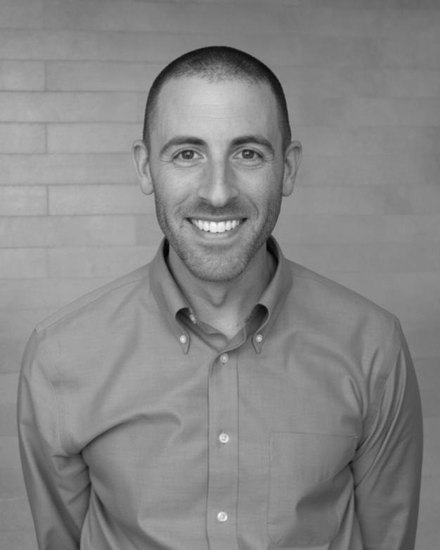
Board-certified psychiatrist whose experience spans inpatient psychiatry, specialized trauma care and addiction treatment at leading behavioral health institutions. 2025 Pierre Janet Award.

Psychologist and health system operator. Clinical Director at Headway, and formerly in senior administration at McLean Hospital and Mass General Brigham.
08Trust
Security · privacy · controlBehavioral health records carry the strictest privacy rules in medicine. Featherglass is designed around them.
Clinician-reviewed
Notes and summaries start as drafts. Clinicians correct, rewrite or remove anything before they use them.
Supporting sources
Reviewers can open the supporting source material a draft draws on, the sessions and documents behind it.
Private by design
HIPAA compliant, with AES-256 encryption in transit and at rest. Our 42 CFR Part 2 policies shape every feature.
09Resources
ReadingFeatherglass's white paper on clinical memory in behavioral health.
SeriesFive common beliefs about behavioral health records, and why each one falls short. By Dr. Israel.
GlossaryClinical memory, Systemic Amnesia, the Fragmentation Tax and more, in plain language.
Let's talk
Meet the team · twenty minutesMeet the Featherglass team. See the platform on the admissions, handoffs and summaries your clinicians handle now, or bring a harder workflow you haven't solved yet.